
The Art of Summer Thali: How Seasonal Ingredients Elevate Traditional Recipes
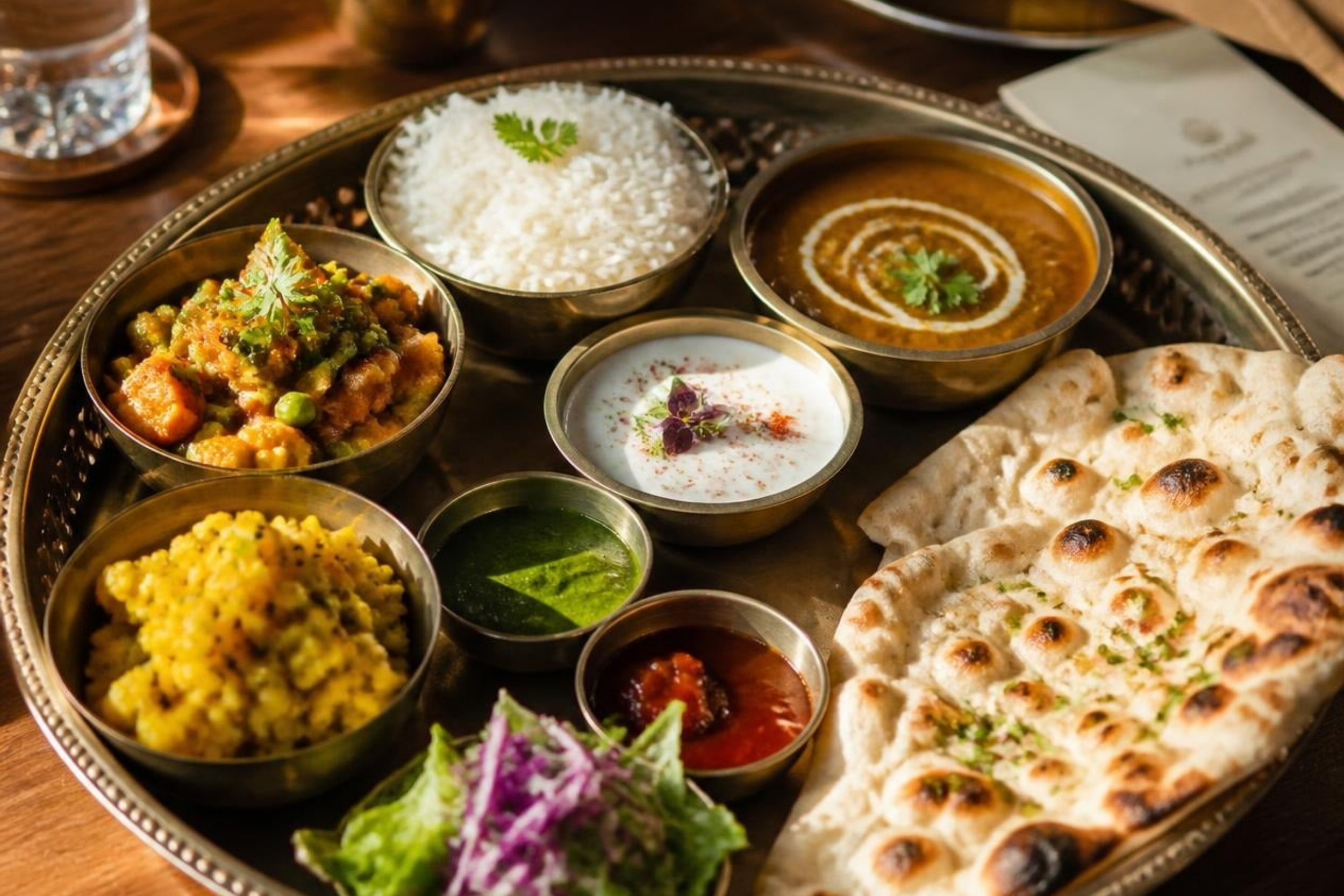
The Art of Summer Thali: How Seasonal Ingredients Elevate Traditional Recipes
Summer changes the way we want to eat. We naturally lean towards brighter flavours, lighter textures, and dishes that feel refreshing rather than heavy — without losing the comfort and satisfaction that makes a proper Indian meal so memorable.
That's where the idea of a summer thali comes into its own.
AtIndian Thali, we see thali as more than a set menu. It's a philosophy of balance: different tastes, temperatures, textures, and aromas brought together on one plate, designed to be enjoyed in a particular rhythm. In summer, that philosophy stays exactly the same — but the ingredients can become more seasonal, more vibrant, and more expressive.
Below, we'll explore the art of a summer thali: how seasonal produce can elevate traditional recipes, and why authenticity and seasonality aren't opposites — they're natural partners when the technique is properly respected.
What Makes a Thali a Thali (And Why Balance Matters)
A traditional Indian thali is often described as "a selection of dishes served together," but that doesn't quite capture its real purpose.
A thoughtfully composed thali is built around contrast and balance. You'll typically find:
Spiced mains — often one or more curries
Vegetable dishes — dry or lightly sauced
Dal or legumes — for depth and comfort
Cooling elements — raita or yoghurt-based sides
Acidity and bite — from pickles, chutneys, or fresh salads
Starches — rice and breads to anchor the whole meal
The goal isn't to overwhelm. It's to create a complete experience where each component makes the next one taste better. In summer, that balance becomes even more important — we naturally crave meals that feel composed and clean, not overly rich.
Understanding what makes a thali balanced is the starting point for appreciating how the summer thali format works so well in the warmer months. For a fuller introduction to the format itself,what is an Indian thali? covers the philosophy in detail.
Why Seasonality Belongs in Indian Cooking
Seasonal Indian cooking has always been central to the cuisine across the subcontinent. What's cooked changes with the climate — cooling dishes in hotter months, warming spices and richer preparations when the weather turns.
In Britain, seasonality takes a different shape, but the principle remains the same: fresh, peak produce has a clarity and natural sweetness that simply can't be replicated at any other time of year. Summer vegetables and herbs bring natural lift to classic recipes — without needing to change what makes them authentic.
Seasonality doesn't mean reinventing tradition. It means choosing ingredients at their best and allowing traditional methods — tempering spices, slow-cooked bases, careful seasoning — to do what they've always done: transform simple ingredients into something layered and deeply satisfying.
The Building Blocks of a Summer Thali
A summer thali isn't a single recipe — it's a way of composing a complete meal. Here are the elements that tend to shine in the warmer months.
Lighter Curries and Summer-Friendly Gravies
Summer doesn't require "less flavour" — it often calls for more precision.
Instead of relying on heaviness, a summer-forward thali can highlight:
Tomato-led gravies with a brighter, tangier profile
Yoghurt-based sauces that feel round and naturally cooling
Carefully balanced spice where warmth is present but not dominant
The difference is in the finish: fresher aromatics, cleaner spice blends, and a touch more acidity to keep each bite lively. These are some of the clearest signals of lighter Indian food for summer done properly.
Seasonal Vegetables: From Market Freshness to Thali Harmony
Summer produce brings colour and natural sweetness — ideal for vegetable dishes that feel generous but never heavy.
Think about what seasonal vegetables do best on a summer plate:
Courgette, peppers, and tomatoes bring sweetness and natural softness
Fresh peas and beans add bite and a clean, vibrant green note
Cucumber and fresh herbs offer crispness and cooling contrast
In a traditional Indian thali, vegetables aren't just "a side." They're a key part of the overall balance — adding texture and brightness against richer elements like dal or slow-cooked mains.
Cooling Sides: Raita, Salads, and Pickles
A well-made cooling side is one of the most underrated parts of any thali — and in summer, it becomes genuinely essential.
Raita and salad-style sides aren't there to dilute spice. They're there to reset the palate. A spoonful of raita between bites makes the next mouthful taste more vivid. Crisp cucumber, fresh herbs, and gentle seasoning bring relief and clarity at exactly the right moment.
Pickles and chutneys play a different role: small but powerful. A little acidity or sharpness can lift an entire plate — especially when the rest of the summer thali is intentionally lighter.
Rice, Breads, and the Role of Texture
A thali is about the feel of the meal, not just the flavours.
Rice offers calm and comfort; breads bring warmth and structure. In summer, the ideal is often a combination that doesn't feel too heavy — something that lets you enjoy the full variety without feeling weighed down at the end.
The most satisfying thalis have a deliberate texture journey: creamy dal, crisp salad, tender vegetables, a sauce you want to scoop, and a starch that ties everything together. That texture dynamic is part of what makes atraditional Indian thali such a complete and rewarding meal format.
Technique Stays Traditional — Ingredients Get Seasonal
Here's the key idea behind a great summer thali: seasonality should enhance authenticity, not replace it.
Traditional Indian cooking is technique-driven. The foundations — tempering spices, building masala bases, controlling heat, balancing salt and acidity — are what create the signature depth of flavour that defines the cuisine.
When those foundations are done properly, seasonal Indian ingredients don't "change the dish." They elevate it.
A summer tomato at its peak brings natural sweetness and brightness that makes a familiar curry taste more alive. Fresh herbs lift a dish without adding heaviness. Crisp seasonal vegetables hold their texture better, making the overall thali feel more refined and considered.
This is where thoughtful cooking becomes genuinely noticeable — not in novelty, but in how cleanly each component tastes and how well it sits alongside everything else on the plate.
A Premium Thali Experience: Consistency, Presentation, and Comfort
A thali can be rustic, celebratory, homely — or it can be elevated. AtIndian Thali Prestbury, the focus is on an experience that feels special without feeling intimidating.
A premium authentic thali experience isn't about making food complicated. It's about doing the essentials exceptionally well:
Consistent flavours: the same dish should taste as intended every single time
Quality ingredients: freshness and sourcing you can actually taste
Refined presentation: a thali should look as balanced as it tastes
A comfortable dining environment: ambience that suits the natural pace of the meal
Warm, attentive service: guidance when you want it, space when you don't
A clear differentiator: authentic technique, guided by local seasonality
Many places choose between "traditional" and "seasonal." We don't believe you have to.
Indian Thali's approach is rooted in authentic Indian technique and thali composition, then thoughtfully paired with the best of what a British summer offers. The result is a meal that feels true to its origins — yet fresher, lighter, and perfectly suited to longer evenings and warmer days. That combination is what theperfect pairings at Indian Thali Prestbury approach is all about.
How to Enjoy a Summer Thali (A Simple Tasting Approach)
If you're new to thali dining — or you want to get more from it — try this simple method:
Start with the cooling element (a little raita or fresh salad) to set your palate and frame the meal
Taste each dish on its own first — just a small spoonful — to understand its individual character
Build combinations: curry with rice, vegetable with bread, dal with a little pickle
Alternate rich and bright bites to keep the meal feeling light and dynamic throughout
A well-composed summer thali is designed so you don't have to overthink it. The balance is already there — you simply get to enjoy the journey. For more onhow to eat a thali properly, the full guide covers everything in detail.
Experience Summer Thali at Indian Thali in Prestbury
If you're in or around Prestbury and you love Indian food that feels well-balanced, thoughtfully prepared, and genuinely satisfying, a summer thali is one of the most rewarding ways to dine.
Whether you're planning a relaxed lunch, a date night, or a family meal where everyone wants variety, thali brings the best of Indian cooking to the table — especially in summer, when seasonal Indian ingredients make each component taste that little bit brighter and more alive.
Explore thefull menu at Indian Thali to see our current thali options, andbook a table to experience our elevated take on summer thali in Prestbury.
FAQ Section
Q: What is a summer thali? A summer thali is a traditional Indian thali composition adapted to celebrate the freshness and brightness of seasonal summer produce. The format stays the same — a balanced selection of curries, vegetable dishes, dal, cooling sides, rice, and breads — but the ingredients lean toward lighter gravies, fresh seasonal vegetables, and vibrant herbs that feel naturally suited to warmer weather. The technique remains traditionally Indian; the ingredients reflect the season.
Q: How is a summer thali different from a regular thali? A summer thali uses the same balanced thali format but highlights ingredients that shine in warmer months: tomato-led or yoghurt-based gravies with brighter, fresher profiles; seasonal vegetables like courgette, peppers, and fresh peas; generous cooling sides like raita and fresh herb salads; and slightly lighter spice blending overall. The depth and authenticity stay the same — the overall character simply feels more vibrant and refreshing.
Q: Why is seasonality important in Indian cooking? Seasonal Indian cooking is rooted in the principle that fresh, peak-season ingredients have a natural clarity and sweetness that elevates traditional recipes without changing them. Across the subcontinent, menus have always shifted with the climate — cooling dishes in summer, heartier preparations in cooler months. Using seasonal produce in the UK follows the same logic: it makes familiar flavours taste more alive and more carefully considered.
Q: How do I eat a thali for the best experience? Start with a small taste of the cooling element (raita or salad) to set your palate. Then taste each dish individually before building combinations — curry with rice, vegetable with bread, dal with a little pickle. Alternate between richer and brighter elements throughout the meal. A well-composed thali is already balanced for you — the key is to move through it at a relaxed pace and enjoy each combination as it comes.
Q: Where can I try a summer thali near Prestbury in Cheshire? Indian Thali on New Road, Prestbury, Cheshire offers a refined thali dining experience with a seasonal approach — authentic regional Indian recipes, quality fresh ingredients, and thoughtful presentation in a relaxed, welcoming setting. Ideal for couples, families, and groups looking for an elevated Indian meal near Macclesfield.View the current menu orbook a table online.
