
How to Choose the Best Indian Restaurant: A Simple Quality Checklist
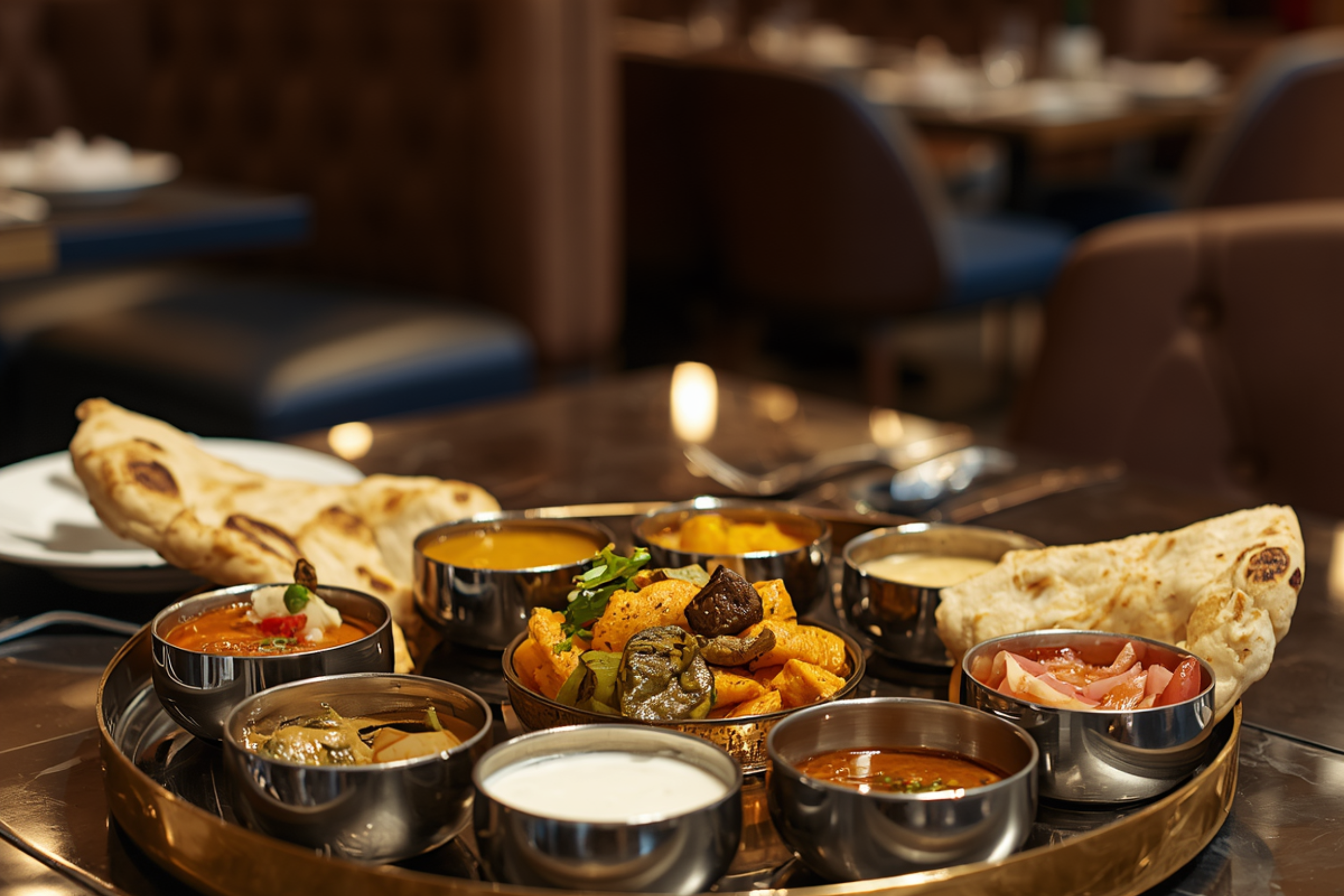
How to Choose the Best Indian Restaurant
How to Choose the Best Indian Restaurant: A Simple Quality Checklist
Choosing an Indian restaurant can feel deceptively simple—until you realise how wide the spectrum is. One place might be lively and generous with spice, while another focuses on subtlety and balance.
If you’re looking for the best Indian restaurant, the goal isn’t to chase hype—it’s to find a place that matches your taste and delivers quality you can feel in every part of the experience.
Whether you're exploring authentic Indian food or considering a balanced Indian thali, the right choice comes down to understanding what truly matters.
Start with what “good” looks like (for you)
Before you compare options, decide what matters most:
Authentic Indian food with traditional flavour
Ingredient quality (freshness, balance)
Ambience and comfort
Service and consistency
When you’re clear on your priorities, choosing the best Indian restaurant becomes much easier.
Ingredient quality: the easiest clues to spot
You don’t need to be a chef to recognise quality in Indian food. Look for small signals that indicate care.
Freshness, balance, and how dishes are finished
A good kitchen focuses on balance—not just spice. You’ll notice it in:
Layered gravies
Tender proteins
Fresh vegetables
Properly prepared rice and breads
A well-crafted Indian thali often highlights this balance, bringing multiple elements together in one meal.
Transparency: what the menu tells you
Menus reveal a lot—sometimes by what they don’t say.
Positive signs include:
Clear descriptions
Mention of ingredients or techniques
A focused menu
A well-run kitchen makes it easy to understand what you’re ordering, which is often a sign of a quality experience.
Authenticity without the clichés
Authentic Indian food isn’t about complexity—it’s about intention and balance.
Regional cues and traditional cooking methods
Look for:
Dishes with identity
Traditional cooking methods
Balanced flavours
A well-balanced Indian thali as a sign of a confident kitchen
An Indian thali is one of the strongest indicators of quality.
It typically includes:
A mix of rich and light dishes
Fresh sides
Properly prepared bread and rice
Because everything is served together, a thali reflects the kitchen’s consistency and attention to detail.
The menu test: how to read descriptions like a foodie
When choosing an Indian restaurant, ask:
Are dishes clearly explained?
Is there balance?
Do items sound freshly prepared?
Words like marinated, slow-cooked, and chargrilled often indicate high-quality food.
Signs of care in vegetarian and dietary options
A quality Indian restaurant:
Treats vegetarian dishes seriously
Understands ingredients
Handles dietary needs properly
Many of the best experiences come from well-prepared vegetarian dishes or a balanced thali.
Atmosphere: why it matters
The best Indian restaurant offers more than just food.
Look for:
Comfortable seating
Thoughtful design
A welcoming feel
Service: what sets a great experience apart
Service plays a major role in defining the overall experience.
Look for:
Friendly, knowledgeable staff
Good pacing
Clear recommendations
A quick checklist before you book
Menu clarity
Balanced options
Signs of fresh preparation
Comfortable ambience
Consistent service
These are strong indicators of a quality Indian restaurant.
One thoughtful next step
To truly evaluate quality, try:
A balanced Indian thali
A grilled or tandoor dish
A slow-cooked curry
