
International Day of Education: The Art of Balance in Indian Cooking
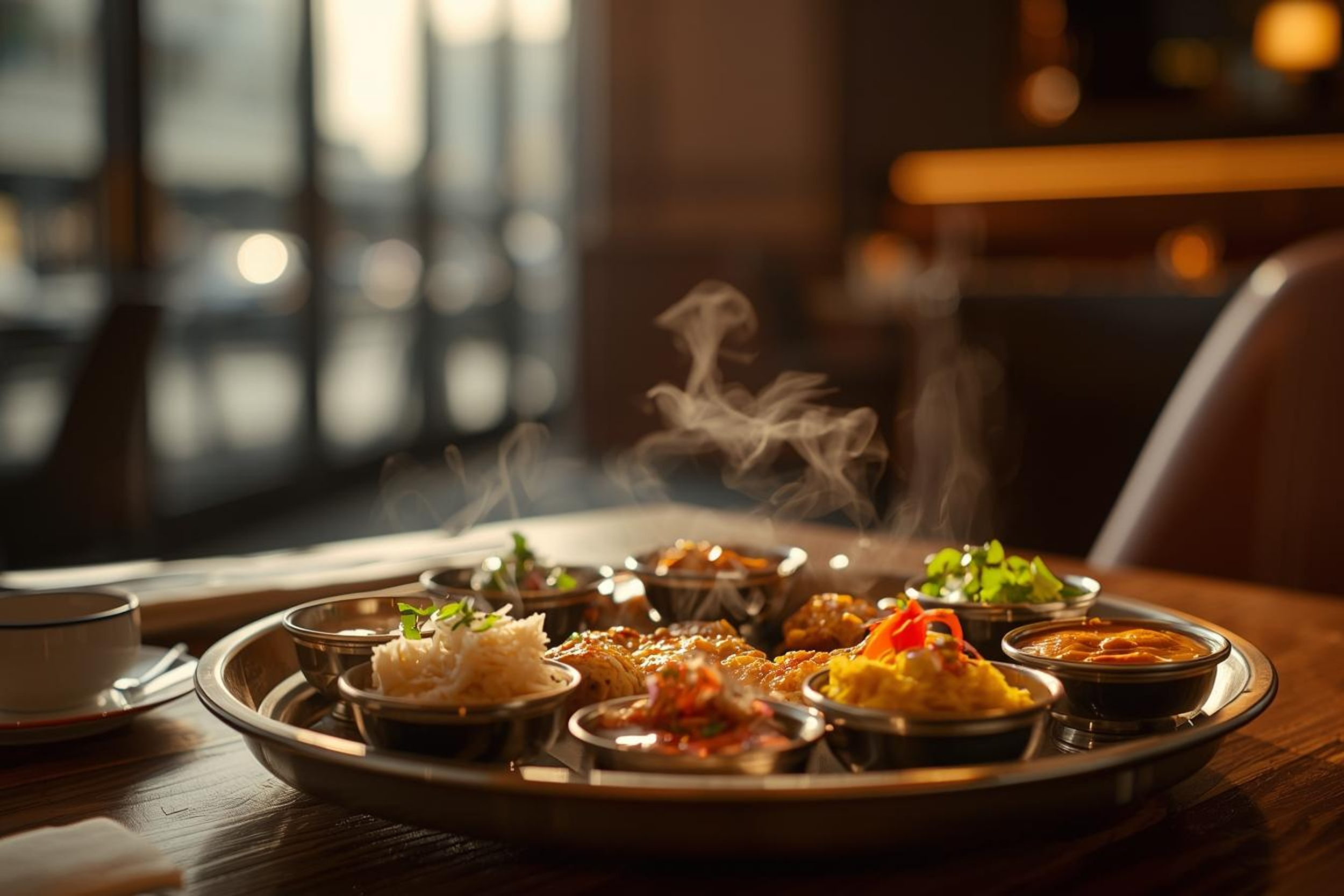
The craft of balance in Indian cooking
International Day of Education is a reminder that the most meaningful learning isn’t always found in a classroom—it’s often found in craft. Indian cooking is a craft in the truest sense: knowledge passed down through technique, sensory awareness, and an understanding of how flavour behaves when heat, time, and ingredients work together. At Indian Thali, guests often ask what makes the food feel so composed and satisfying. The answer is never a single spice or recipe. It lies in balance—layering flavours carefully, showing restraint, and applying techniques consistently. This philosophy is what defines a refined indian restaurant diners return to again and again. This guide explores the art of balance in Indian cooking. Whether you enjoy learning about food culture, are choosing a thali restaurant for your next meal, or are comparing options between Prestbury and nearby areas, understanding balance helps explain why certain dishes simply feel better to eat.
Why education matters in the kitchen (and on the plate)
In Indian cuisine, flavour is never improvised. It is built deliberately through a sequence of decisions that shape the final plate. That process is, in many ways, education in action. True balance comes from knowing:
- Which spices should be added first and why
- How long onions need to cook for a specific curry style
- When acidity should lift a sauce rather than dominate it
- How richness can feel indulgent without becoming heavy
These lessons separate an everyday meal from one served at a best indian restaurant, where every dish feels intentional rather than accidental.
Balance, not just heat: the four pillars of Indian flavour
A common misconception is that Indian food is only about heat. In reality, the best Indian cooking focuses on harmony. Spices are used to build aroma, depth, and clarity—not just fire. This approach is shared by many respected kitchens, from a neighbourhood indian restaurant to more traditional dining rooms in Prestbury. Below are the four pillars that define balance.
Aroma and depth (whole spices, tempering, slow cooking)
Many dishes begin with spices hitting hot fat—a moment that looks simple but changes everything. Tempering whole spices like cumin, mustard seeds, cinnamon, cloves, or cardamom releases essential oils that carry flavour through the dish. Combined with slow-cooked onions and patient simmering, this creates depth without heaviness. This is a hallmark of a well-run indian thali, where aroma is layered, not rushed.
Heat without harshness (chilies used with intention)
Heat is only one tool, not the goal. Different chilies behave differently:
- Dried chilies add warmth
- Fresh green chilies add brightness
- Kashmiri chili adds colour with gentle heat
Balanced cooking uses chilies with intention, so dishes feel warming rather than aggressive—an approach commonly seen in a best indian restaurant that values comfort as much as flavour.
Acidity for lift (tomato, tamarind, lemon, yoghurt)
Acidity keeps flavours lively and prevents richness from becoming heavy. In Indian cooking, acidity may come from tomatoes, tamarind, citrus, or yoghurt. Used correctly, it sharpens flavour and adds clarity. This lift is one reason dishes at a thoughtful indian restaurant feel complete instead of overwhelming.
Richness and roundness (ghee, nuts, cream, lentils)
Richness provides comfort—but only when controlled. Ghee, cream, nuts, coconut, or lentils are used to round flavours rather than mask them. In a carefully prepared indian thali, richness supports the dish while allowing spices and aromatics to remain distinct.
The technique behind the taste: how traditional methods build consistency
Consistency is where education truly shows. Traditional Indian cooking relies on precision:
- Blooming spices to remove raw flavours
- Cooking onions to the correct stage
- Layering spices at different moments
- Allowing dishes to rest so flavours settle
These techniques ensure the same dish tastes right every time—one of the key differences diners notice at a best indian restaurant compared to inconsistent kitchens.
A simple spice glossary (8 staples you’ll recognise)
Understanding spices adds context to balance:
- Cumin: warm and earthy
- Coriander seed: citrus-like and gentle
- Turmeric: grounding warmth and colour
- Cardamom: fragrant and aromatic
- Cloves: sharp and warming
- Cinnamon: sweet structure
- Mustard seeds: nutty pungency
- Garam masala: finishing aroma, not heat
Each spice plays a specific role, especially in a composed thali restaurant, where no single element dominates.
What “premium” really means in Indian dining: consistency, clarity, care
Premium Indian dining isn’t about complexity—it’s about discipline. Guests often describe the experience at a best indian restaurant location as “clean” or “balanced,” even if they don’t use those exact words. Aromatics are clear. Heat is comfortable. Sauces feel finished. At Indian Thali, this premium approach is defined by:
- Balanced spice layering
- Quality ingredients used consistently
- Presentation that respects tradition
- A calm, welcoming dining environment
These elements together create an experience diners want to repeat.
Bringing it to the table at Indian Thali (Prestbury)
Learning about balance is enjoyable, but tasting it is where everything connects. If you’re choosing between an indian restaurant or exploring an indian restaurant, Indian Thali offers a refined approach rooted in balance, tradition, and care. Our thali experience brings aroma, richness, acidity, and warmth together on one table. CTA: Explore the menu and book your table at Indian Thali for a balanced take on classic Indian flavours.
January dining note (Mon–Thu offer)
From Monday to Thursday starting 5th January, Indian Thali is offering 50% off curry and biryani main dishes. Terms: Offer applies to eligible curry and biryani mains only; excludes other items; available Monday–Thursday during the promotional period.
